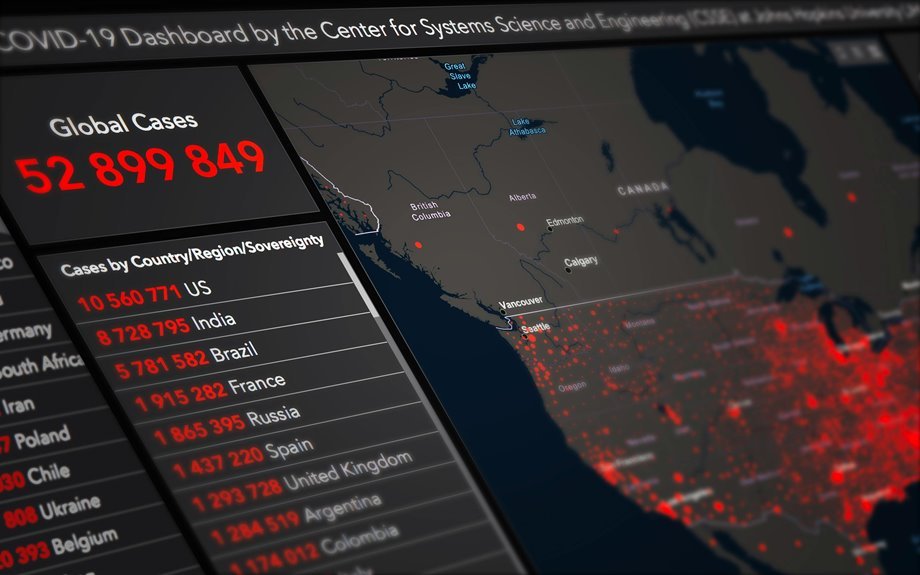
Comprehensive system tracking relies heavily on unique identifiers such as 600000000, 848980725, and others. These identifiers play a crucial role in enhancing operational efficiency and accuracy within organizations. By implementing this structured approach, businesses can achieve real-time monitoring and resource optimization. However, the implications of these systems extend beyond mere tracking. Understanding how they foster transparency and accountability could reshape business processes significantly. What remains to be explored are the long-term benefits these practices offer.
The Importance of Unique Identifiers in System Tracking
Unique identifiers serve as critical components in the realm of system tracking, functioning as distinct labels that differentiate entities within complex databases.
Proper identifier validation enhances tracking accuracy, ensuring that data remains reliable and the relationships among entities are clear.
This precision is essential for users who value autonomy, as it facilitates informed decision-making and streamlined processes in diverse operational environments.
Enhancing Operational Efficiency Through Comprehensive Tracking
Comprehensive tracking systems leverage unique identifiers to improve operational efficiency across various sectors.
By facilitating data integration, these systems enable seamless communication between disparate systems, fostering informed decision-making.
Furthermore, process automation reduces manual interventions, streamlining workflows and minimizing errors.
As a result, organizations can achieve higher productivity levels, optimize resource allocation, and enhance overall performance, ultimately promoting a liberated operational environment.
Real-Time Updates and Resource Allocation
How can organizations effectively respond to dynamic changes in their environments?
By leveraging real-time analytics, they can monitor performance indicators, enabling swift adjustments in strategy.
This proactive approach facilitates resource optimization, ensuring that assets are allocated efficiently to meet emerging demands.
Consequently, organizations can maintain agility, adapt to shifting landscapes, and ultimately enhance their competitive edge in an increasingly fluid marketplace.
Fostering Transparency and Accountability in Business Processes
While many organizations strive to enhance their operational effectiveness, fostering transparency and accountability in business processes remains critical for long-term success.
Implementing transparency initiatives allows stakeholders to access crucial information, fostering trust.
Concurrently, robust accountability measures ensure that individuals are responsible for their actions, promoting ethical practices.
Together, these elements create a culture of openness, driving improved performance and stakeholder engagement across the organization.
Conclusion
In summary, the strategic implementation of unique identifiers like 600000000, 848980725, and others significantly strengthens system tracking. This systematic approach not only streamlines operations but also secures superior accuracy and seamless synchronization across diverse departments. By fostering transparency and accountability, organizations can cultivate a culture of informed decision-making. Ultimately, these enhancements herald a harmonious interplay between efficiency and effectiveness, propelling businesses toward sustained success in an increasingly competitive landscape.